How Cracks in Your Foundation Are Found, Cleaned, Sealed, and Protected
The repair process for foundation cracks follows a clear set of steps. First, the crack is inspected to find the cause. Next, the area is cleaned and prepared. Then the crack is sealed with the right material. Finally, the wall is checked to make sure the fix holds. foundation crack repair is not just about filling a gap. It is about stopping water, moisture, and movement from causing more damage.
What You Need Before Starting
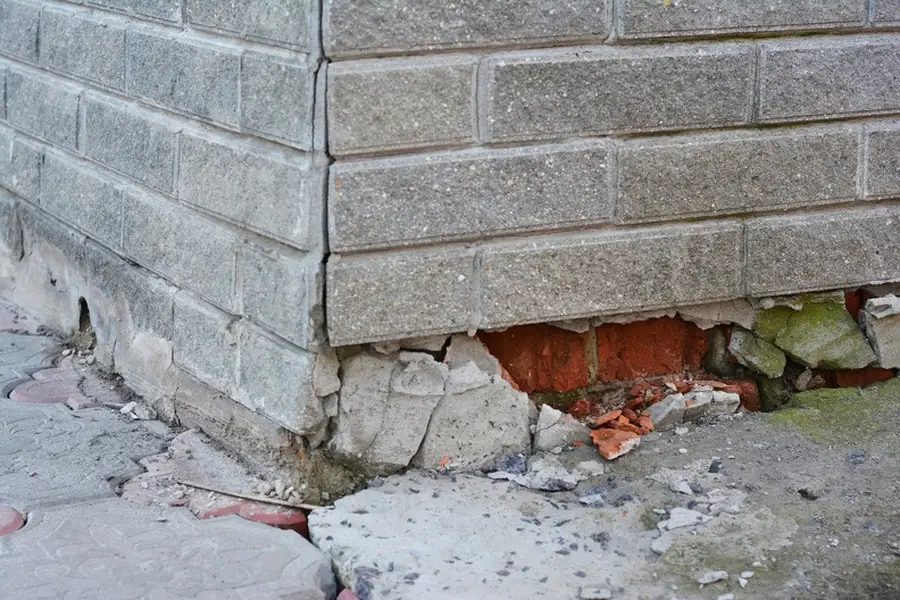
Before any foundation crack repair begins, the area must be fully checked. Some cracks are small and only affect the surface. Others may point to deeper structural issues. A proper inspection helps decide the right method.
Here is what is usually needed before work starts:
- A full visual inspection of the crack
- Moisture testing around the wall
- Access to both the inside and outside of the foundation
- The correct repair material, such as epoxy or polyurethane foam
- Basic tools for cleaning and sealing the area
If the crack is leaking, stopping active water flow comes first. If soil pressure is the cause, drainage may also need to be addressed.
Step-by-Step Repair Process
Most foundation crack repair jobs follow a simple order. Skipping steps can lead to failure later.
- Inspect the crack. Measure its width and length. Check if it is growing.
- Clean the surface. Remove dirt, dust, and loose concrete.
- Install injection ports along the crack if using epoxy or foam.
- Seal the surface of the crack to hold the repair material inside.
- Inject epoxy or polyurethane into the crack.
- Allow proper curing time based on product instructions.
- Remove ports and smooth the surface once dry.
Epoxy is often used for structural strength. Polyurethane foam is flexible and works well for stopping water leaks. The choice depends on the type of crack and what caused it.
Common Mistakes to Avoid
Some homeowners try to patch cracks with basic caulk or cement. That rarely lasts. These surface fixes may hide the crack, but they do not seal it deep inside the wall.
Other common mistakes include:
- Ignoring small cracks that slowly grow
- Repairing the crack without fixing drainage problems
- Using the wrong material for structural cracks
- Not allowing enough curing time
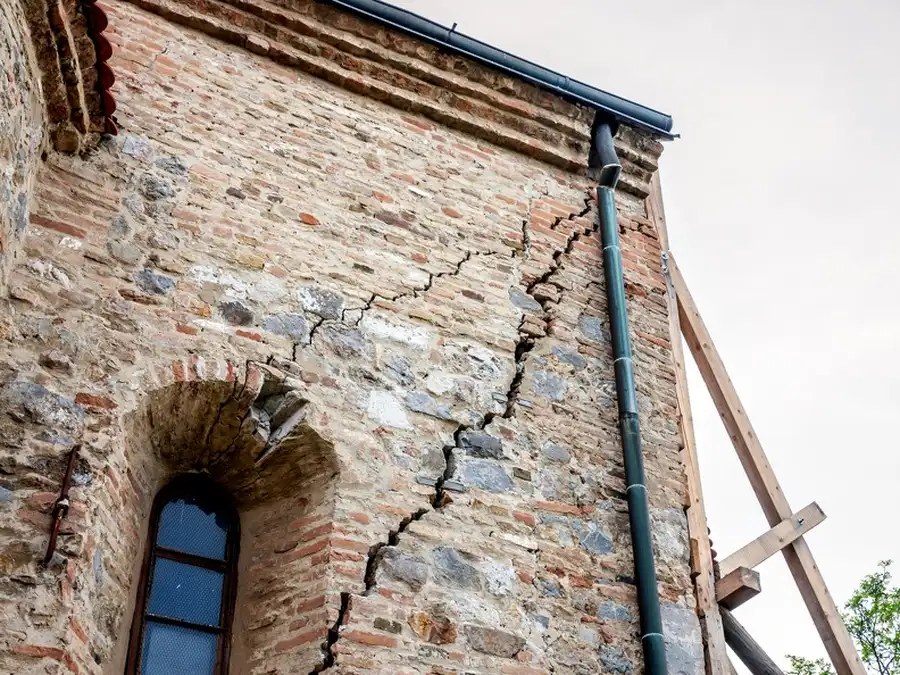
foundation crack repair should match the type of damage. A stair-step crack in block walls may need a different approach than a thin vertical crack in poured concrete. Rushing the job often leads to repeat repairs.
When to Call a Professional
Hairline cracks under one-eighth inch wide are often minor. Larger cracks, bowing walls, or repeated leaks are different. If doors stick or floors slope near the crack, the issue may go beyond a simple seal.
A trained team can spot signs of settling, hydrostatic pressure, or soil movement. They can also determine if the crack affects structural stability. In some cases, additional support like wall anchors or drainage systems may be needed. That falls under broader services within the service category keyword and goes beyond a basic surface fix.
Getting expert help early can stop further damage. It can also prevent mold, wood rot, and interior water damage.
Final Recommendation and Next Steps
If you notice cracks in your home’s foundation in Knoxville, TN, do not wait for them to grow. Small cracks are easier and less costly to fix than large ones. At MTC Concrete, we handle foundation crack repair from start to finish, using proven materials and clear repair steps. Call us at (865) 239-5005 to schedule an inspection and let us help protect your home with the right repair plan.
We take pride in careful inspections and long-lasting repairs. Our team works throughout Knoxville, TN and focuses on safe, reliable solutions for every home. Reach out to MTC Concrete today at (865) 239-5005 so we can take care of the problem before it gets worse.