How to Fix Sinking, Sloping, and Unsafe Concrete
Concrete replacement for uneven surfaces means removing damaged slabs and installing new, level concrete in their place. It is often the best choice when a driveway, patio, or sidewalk has sunk, cracked badly, or shifted out of place. If the surface creates trip hazards or water drainage problems, full replacement gives you a fresh start with a stable base.
Quick Diagnosis Summary
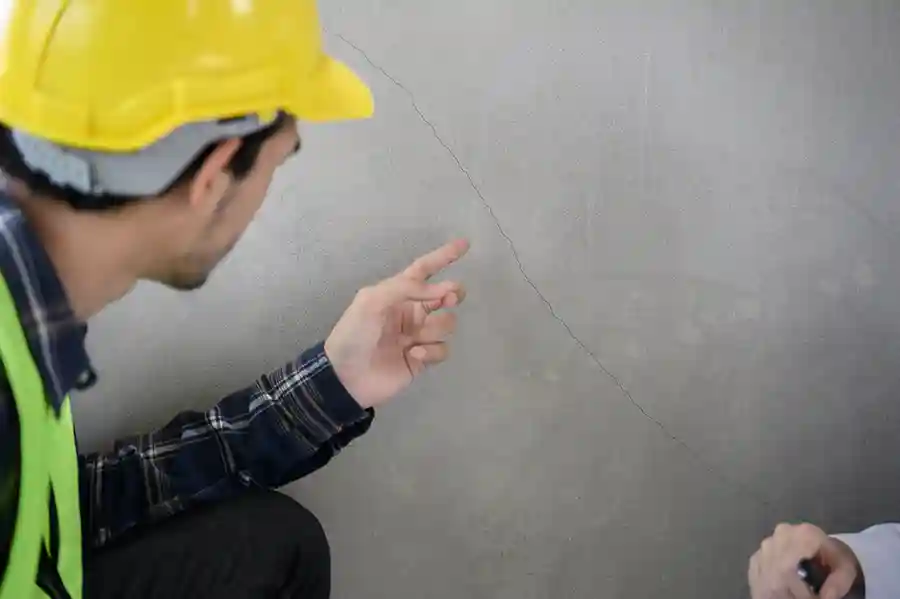
Uneven concrete is usually a sign that the ground below has moved. You may see one side higher than the other, large cracks, or pooling water after rain. Small surface cracks can sometimes be repaired. But when slabs tilt or sink, concrete replacement is often the long-term fix.
Common Symptoms
Uneven surfaces are easy to spot once you know what to look for. Watch for these signs around your home:
- Edges that stick up and create trip hazards
- Gaps between slabs
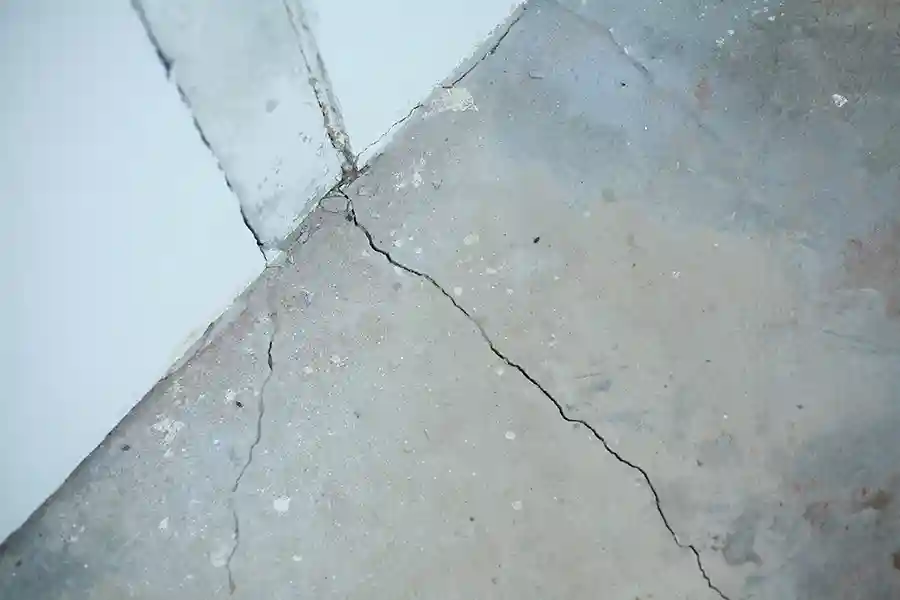
- Cracks wider than a quarter inch
- Water pooling in low spots
- Driveway sections sinking near the garage
These problems can get worse over time. A small dip today can turn into a major slope next year.
Likely Causes
Most uneven concrete starts with soil movement. The ground under the slab may wash away, dry out, or shift.
Common causes include:
- Poor soil compaction before the slab was poured
- Heavy rain that washes out soil
- Plumbing leaks under the surface
- Tree roots pushing upward
- Freeze and thaw cycles in colder climates
If the base is weak, even the best surface will not stay level. That is why fixing the root cause matters before pouring new concrete.
What to Check First
Before jumping into concrete replacement, take time to inspect the area. Look at nearby downspouts and gutters. Are they draining water next to the slab? Check for signs of erosion along the edges. If you suspect a plumbing leak, have that fixed first.
Also measure how uneven the surface is. If the height difference is small, lifting methods may work. If one section is badly cracked and sinking, replacement is usually the safer route.
Safe Fixes Vs Pro-Level Fixes
Some minor issues can be handled without full replacement. For example, small cracks can be filled with sealant. Slight settling may be corrected with slab lifting.
Concrete replacement becomes the better option when:
- The slab has multiple large cracks
- Sections are broken into pieces
- The surface has sunk several inches
- Previous repairs have failed
Full replacement involves removing the old slab, preparing and compacting the soil, adding a solid base layer, and pouring new concrete. This is where experience in matters. Proper grading, forming, and curing help the new surface stay level for years.
Prevention Tips
Once your new concrete is installed, a few simple steps can help prevent future uneven spots.
- Direct downspouts away from slabs
- Keep gutters clean
- Avoid planting large trees too close
- Seal cracks early before water seeps in
- Do not overload driveways with heavy equipment
Regular checks around your property can catch small problems before they grow. Good drainage is one of the biggest factors in keeping concrete level.
Is Replacement Worth It?
For many homeowners, concrete replacement is worth it for safety alone. Uneven walkways can cause falls. Sloped driveways can damage vehicles. A fresh, level surface also improves curb appeal and makes outdoor spaces easier to use.
While it may seem like a big project, replacing damaged concrete often costs less in the long run than repeated patch jobs. When the base is rebuilt correctly, the new slab has a much better chance of lasting decades.
Get Expert Help for Lasting Results
If you are dealing with uneven concrete in Knoxville, TN, it may be time for a professional evaluation. At MTC Concrete, we remove damaged slabs, rebuild solid bases, and install level surfaces built to handle daily use. We focus on fixing the root cause, not just the surface. Call us at (865) 239-5005 to schedule an inspection and find out if concrete replacement is the right solution for your property.